

Renovating an old home can be one of the most rewarding and exciting professional projects you’ll ever take on. There’s something truly special about
Renovating an old home can be one of the most rewarding and exciting professional projects you’ll ever take on. There’s something truly special about breathing new life into a property with history and character in its bones. But it’s not without its challenges. From hidden structural issues to outdated systems, older homes need careful planning and consideration to restore safely and effectively without losing any of that old world charm that made you fall in love with it in the first place.
-
Assess Structural Integrity and Repairs
Before making any cosmetic changes, you need to understand the condition of the building. Many older homes suffer from wear and tear that isn’t immediately obvious. Issues such as damp, subsidence, or decaying timbers can be costly if not identified early. Hire a professional surveyor to carry out a thorough inspection and sorting out any structural problems at the start to prevent expensive surprises later and ensure the property is safe for the long term.
-
Upgrade Electrical and Plumbing Systems
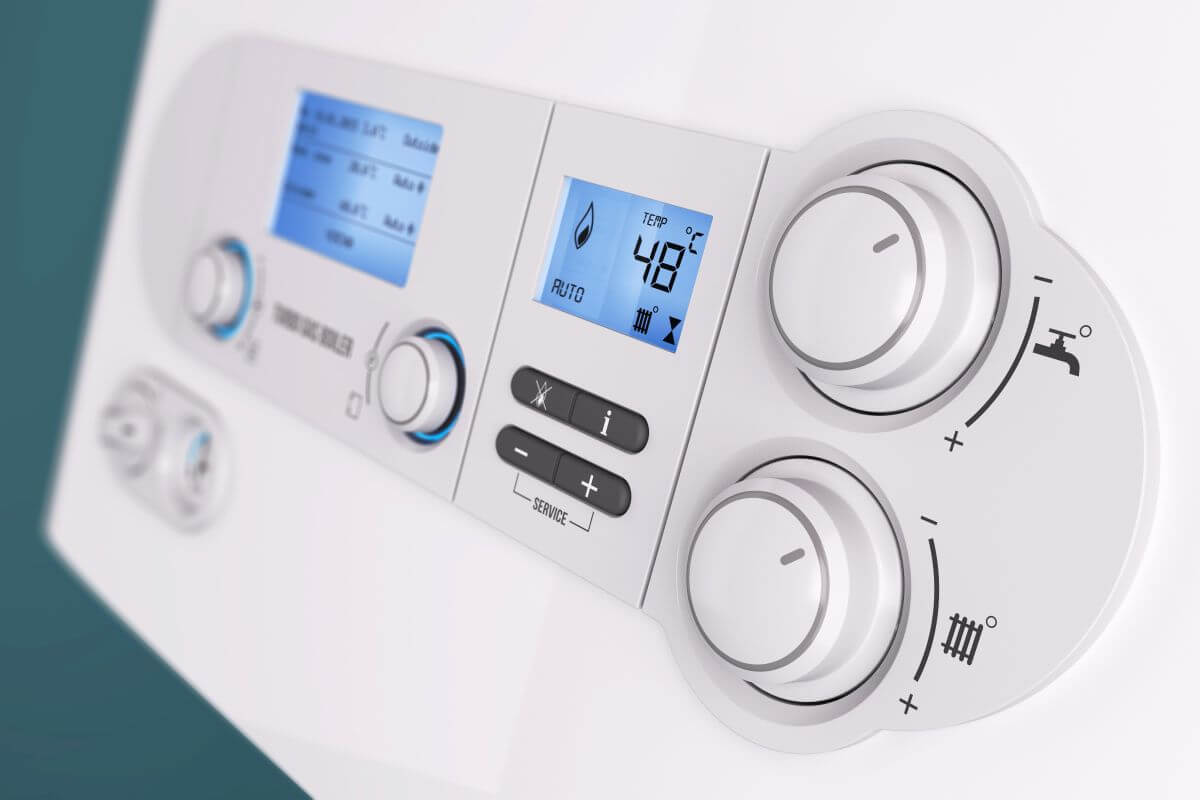
Modern living requires modern systems. Outdated wiring and plumbing are not just inconvenient—they can be dangerous. Old homes often have electrical systems that don’t meet current standards, posing a risk of fire. Likewise, old pipes can be prone to leaks or contamination. Investing in a complete upgrade of your electrical and plumbing systems is essential. Don’t forget about your heating setup too. Modern boilers are far more efficient than older models so replacing an old boiler with a modern, energy-efficient option can really improve both comfort and safety.
-
Preserve Historic Features
The charm of an old house often lies in its original details—whether that’s ornate plasterwork, timber beams, or period fireplaces. These features are worth preserving and can add real value to your home. Work with skilled craftspeople who understand traditional methods and materials. Where possible, restore rather than replace. When introducing modern elements, aim for a balance that respects the building’s history. Think sympathetic extensions, or minimalist interiors that let original features stand out.
-
Budget and Plan for Unexpected Costs
Old homes are notorious for throwing up regular surprises. Once work begins, hidden issues often surface, leading to delays and extra expenses. This makes budgeting a challenge. Always set aside a contingency fund of around 20% of your overall budget and be realistic about what’s achievable within your means.
-
Ensuring Compliance with Building Regulations
Finally, there are all kinds of legal requirements you’ll have to consider when doing up an old building. Any work that affects the structure, energy efficiency, or safety of the building will likely need approval under current building regulations and if your property is a listed building or in a conservation area, additional permissions might apply. Failing to comply can result in fines or having to undo the work. This might mean you’ll be spending a lot of time with the local council figuring out what you can or cannot change but the alternative is perhaps making changes you’ll be forced to undo later out of your own pocket!
