
You don’t always see financial pressure coming. A steady routine can change quickly when costs rise or something unexpected interrupts your income. In
You don’t always see financial pressure coming. A steady routine can change quickly when costs rise or something unexpected interrupts your income. In those moments, the difference often comes down to what you’ve already put in place. When you build simple safeguards around your finances, you give yourself room to respond rather than react. You don’t need complex strategies to feel more secure, but you do need a plan that supports you when circumstances shift. With the right foundations, you can manage day-to-day life with more confidence and handle disruption without losing control.
Establishing a reliable emergency fund
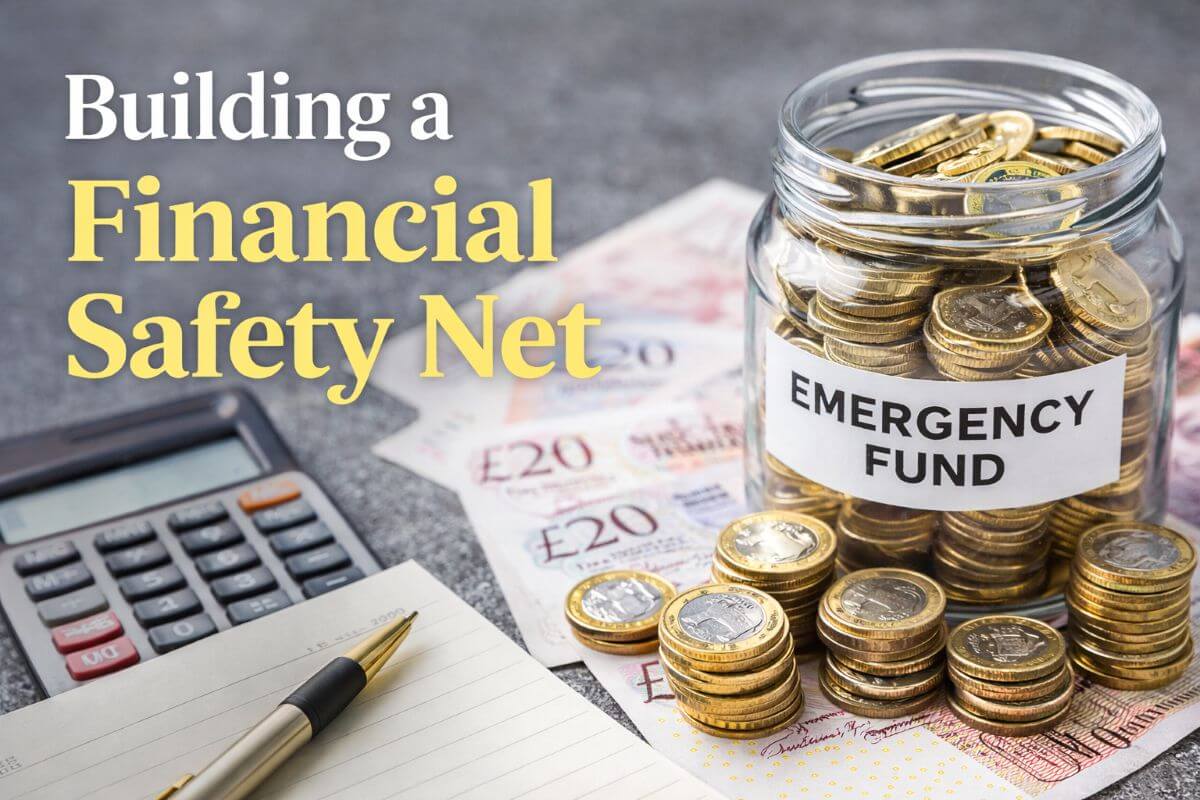
An emergency fund gives you immediate support when something disrupts your finances. You might face a gap between jobs or higher monthly costs than expected. Without savings set aside, you often rely on credit, which can create longer-term pressure.
Most people aim to build enough to cover three to six months of essential spending. That figure gives you time to adjust without making rushed decisions. You don’t need to save it all at once. When you set aside a fixed amount each month, even a small one, you build a buffer steadily over time. Keep this money in an easy-access savings account so you can reach it quickly when needed.
Protecting your income against unforeseen events
Your income supports everything else in your financial life, so you need a plan for when it stops unexpectedly. Illness or injury can prevent you from working, and statutory sick pay often falls short of covering regular outgoings. That gap can place pressure on your savings.
Income protection insurance helps replace a portion of your earnings if you can’t work for a period of time. This support allows you to keep up with essential bills such as rent and shopping without draining your emergency fund too quickly. When you choose a policy that reflects your monthly costs, you create a more stable position during uncertain periods.
Safeguarding your household and dependants
If others rely on your income, you need to think beyond your own expenses. Your household still needs to cover housing, daily living costs, and any outstanding debts if something happens to you. Without a clear plan, your family may struggle to maintain stability.
This is where life insurance plays an important role. A suitable policy provides a financial pay-out that helps your dependants manage ongoing costs and maintain their standard of living. For example, it can cover mortgage payments or replace lost income while your family adjusts.
Planning for longer-term risks and future uncertainty
You also need to prepare for changes that happen over time, not just sudden events. Retirement, rising living costs, and any other potential care needs can all affect your financial position later in life. Regular contributions to a pension or long-term savings plan help you build financial independence over time. You can also review how your savings align with potential future costs.
