
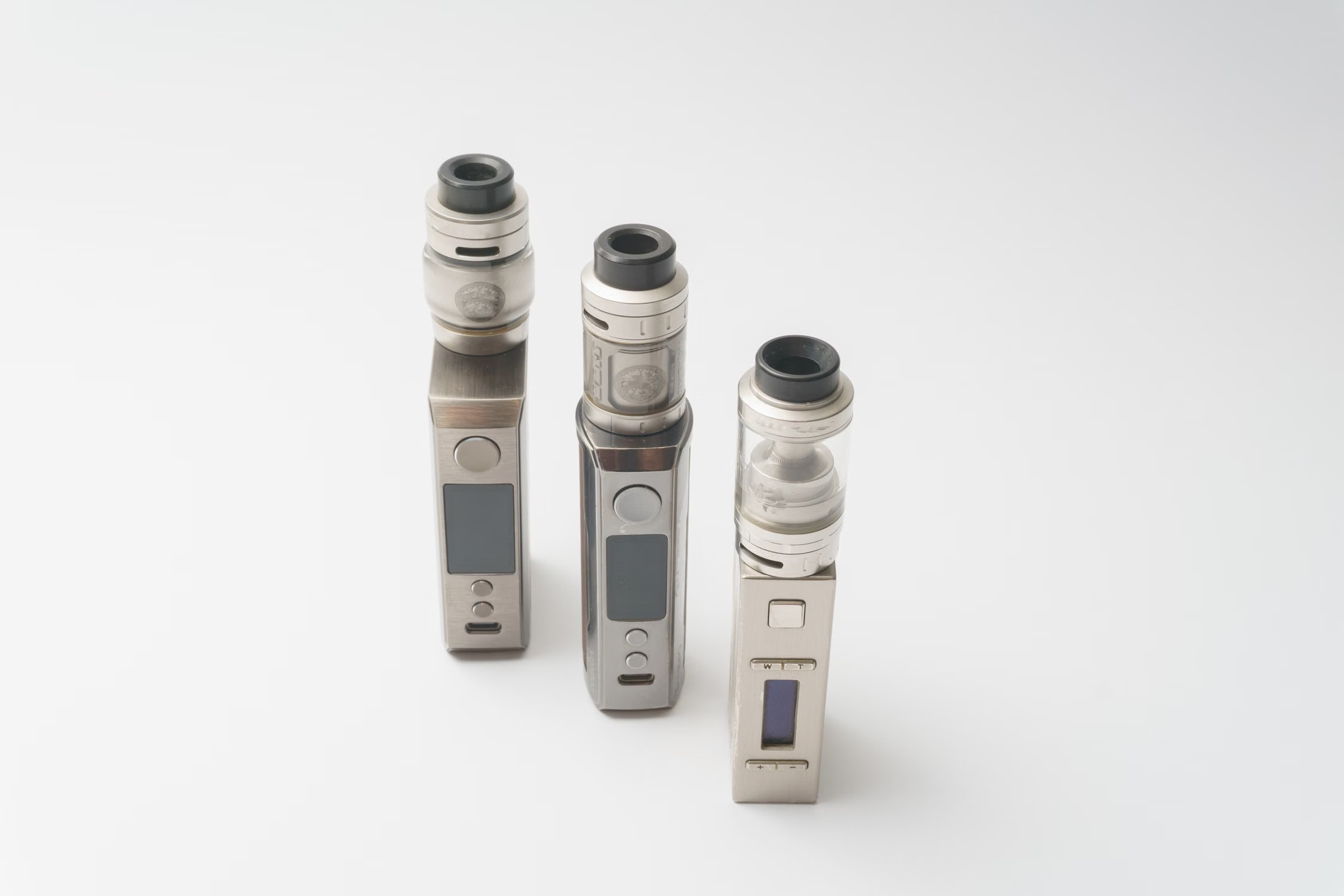
Two devices can look almost identical, produce a similar cloud and both be described as a “vape”. That does not mean they contain the same substance —
Two devices can look almost identical, produce a similar cloud and both be described as a “vape”. That does not mean they contain the same substance — or fall under the same rules.
For UK consumers, this distinction matters. Nicotine, CBD and THC are very different substances, yet the hardware used to deliver them can make the products appear interchangeable. Looking beyond the word “vape” is therefore one of the simplest ways to understand what a product actually is.
“Vape” tells you how a product is used, not the whole story
In everyday conversation, “vape” has become shorthand for electronic cigarettes. That makes sense given the visibility of nicotine vaping, but it can also create confusion.
A useful first question is not “Is this a vape?” but “What does it contain?” The answer determines much more than flavour or concentration. It can affect how the product is regulated and what information a consumer should look for.
Nicotine vapes
Nicotine e-cigarettes are the category most people will recognise. In the UK, nicotine-containing e-cigarettes and refill containers are subject to specific requirements under the Tobacco and Related Products Regulations 2016 (TRPR), including rules covering nicotine strength, container capacity and product notification.
CBD vapes
CBD, or cannabidiol, is a cannabinoid, but it should not be treated as another name for THC. Consumer products in the CBD vape category can use familiar cartridges or pen-style devices, yet the substance being delivered differs from the nicotine e-liquids consumers may associate with vaping.
That difference is important because a non-nicotine vape does not automatically sit within the same regulatory framework as a nicotine-containing e-cigarette. Similar hardware does not necessarily mean similar rules.
THC and other controlled cannabinoids
THC introduces another distinction. Delta-9-tetrahydrocannabinol (Δ9-THC) is the main psychoactive cannabinoid associated with cannabis and is controlled under UK drugs legislation. CBD itself is not a controlled cannabinoid, although consumer CBD products derived from cannabis can contain varying quantities of controlled cannabinoids.
This is why descriptions such as “cannabis vape”, “CBD vape” and “THC vape” should not be used as though they mean the same thing.
The regulatory difference consumers can easily miss
The rules become clearer once the contents of the device are considered. The MHRA guidance for vaping products explains that the TRPR imposes specific requirements on nicotine-containing products, including a maximum nicotine concentration of 20mg/ml and limits on container sizes.
Products outside the relevant definition — including certain products without nicotine — are instead subject to other product-safety requirements. There is an especially useful detail here: the MHRA says CBD must not be included in nicotine-containing refill liquids where its presence suggests a health benefit under the regulations. That alone demonstrates why “it’s a vape” is not enough information to establish which rules apply.
CBD and THC are not interchangeable
The distinction also matters when reading product claims. An Advisory Council on the Misuse of Drugs (ACMD) review of consumer CBD products noted that isolating CBD from other cannabinoids can be technically challenging.
In a 2020 Defence Science and Technology Laboratory investigation cited by the ACMD, 16 of 43 commercial CBD products available in the UK contained more than 5mg of Δ9-THC. That figure is historical rather than a snapshot of the market today, but it illustrates why declared composition and credible testing matter more than broad terms such as “CBD” or “cannabis-based”.
The science also contains uncertainties. The ACMD has said further research is needed to establish whether conversion of CBD to Δ9-THC through extreme heating is relevant to CBD vaping. The responsible conclusion is not that such conversion routinely occurs, but that some questions remain unresolved.
What should consumers actually check?
Instead of judging a product by the device alone, consumers can ask a short set of practical questions:
- What substance does it contain? Look beyond the word “vape” and identify whether nicotine, CBD or another cannabinoid is declared.
- Is the concentration clear? Vague descriptions are less useful than specific information about contents.
- Who made or supplied it? Traceable manufacturer or importer information provides more accountability than an unidentified product.
- Are health claims being made? Treat sweeping promises about wellness or medical benefits with caution.
- Does the label match the category? A familiar-looking cartridge should not be assumed to contain nicotine — or to comply with rules written specifically for nicotine products.
| Product | What distinguishes it? | Key point for consumers |
|---|---|---|
| Nicotine vape | Contains nicotine | Specific UK e-cigarette requirements apply |
| CBD vape | Contains cannabidiol | Do not assume nicotine-vape rules apply in the same way |
| THC vape | Contains a controlled psychoactive cannabinoid | Different legal considerations apply |
There is a further distinction worth keeping in mind. Consumer CBD products should not be confused with prescribed cannabis-based medicines. The UK has had a separate medical framework since 2018, although access through the NHS remains limited, as explored in our analysis of medical cannabis on the NHS.
Look past the device
The appearance of a vape tells consumers surprisingly little. A better way to assess one is to start with its contents, then consider concentration, labelling, claims and the rules relevant to that particular substance.
That distinction is particularly important as the market expands beyond conventional nicotine e-cigarettes. “Vape” may be a convenient umbrella term, but it should never be the end of the consumer’s questions.
