There is a strange moment that often comes after moving into a new home. The keys are yours, the furniture is in, the boxes are mostly unpacked, and y
There is a strange moment that often comes after moving into a new home. The keys are yours, the furniture is in, the boxes are mostly unpacked, and yet the house can still feel as though it belongs to someone else. It may be clean, practical and perfectly pleasant, but not quite personal.
That is especially true of newer homes or recently renovated properties. Fresh walls, neutral flooring and simple fittings can be a brilliant blank canvas, but they can also make a home feel a little flat. Character is what changes that. It gives a house warmth, memory, texture and a sense of identity.
The good news is that character does not have to mean expensive renovation. It is often built through smaller choices: colour, lighting, texture, age, contrast, personal objects and details that make the home feel considered rather than simply decorated.
Begin with the Mood, Not the Shopping List
Before buying anything new, spend a little time noticing how the house feels at different times of day. A room that looks plain in the morning may feel cold in the evening. A hallway may feel empty not because it lacks furniture, but because the lighting is too harsh. A living room may have all the right pieces, but no contrast in colour, shape or texture.
This is where many people go wrong. They try to add character by filling empty spaces, when what the home really needs is a stronger atmosphere. Character comes from the way a room holds light, how materials sit together, and whether the space feels connected to the people living in it.
Once you understand what feels missing, the changes become much easier to make.
Use Paint to Give Rooms More Depth
Paint is one of the most effective ways to change the personality of a home. A fresh white wall can look bright and clean, but too much plain white can make a space feel unfinished. Softer neutrals, warm earthy tones, deep greens, muted blues or rich pinks can make a room feel more settled without overwhelming it.
You do not have to repaint the whole house. In many homes, the best results come from using colour with restraint. A painted alcove can give a living room more depth. A darker hallway can feel surprisingly elegant. A bedroom painted in a soft, warm shade can feel calmer than one left stark and bright.
Paint can also transform pieces you already own. A tired chest of drawers, a plain console table or a set of internal doors can suddenly feel intentional with the right colour. This is often more characterful than buying everything new, because it gives the home a layered, collected feel.
The important thing is to test colours in the actual room. Light changes everything. A shade that looks warm in one house can look cold in another, especially in north-facing rooms.
Make the Front Door Feel Like Part of the Home
The front door is easy to overlook because it sits on the boundary between outside and inside. Yet it is one of the strongest character signals a home has. It is the first thing visitors see, the part of the house you return to every day, and one of the simplest ways to make a property feel more individual.
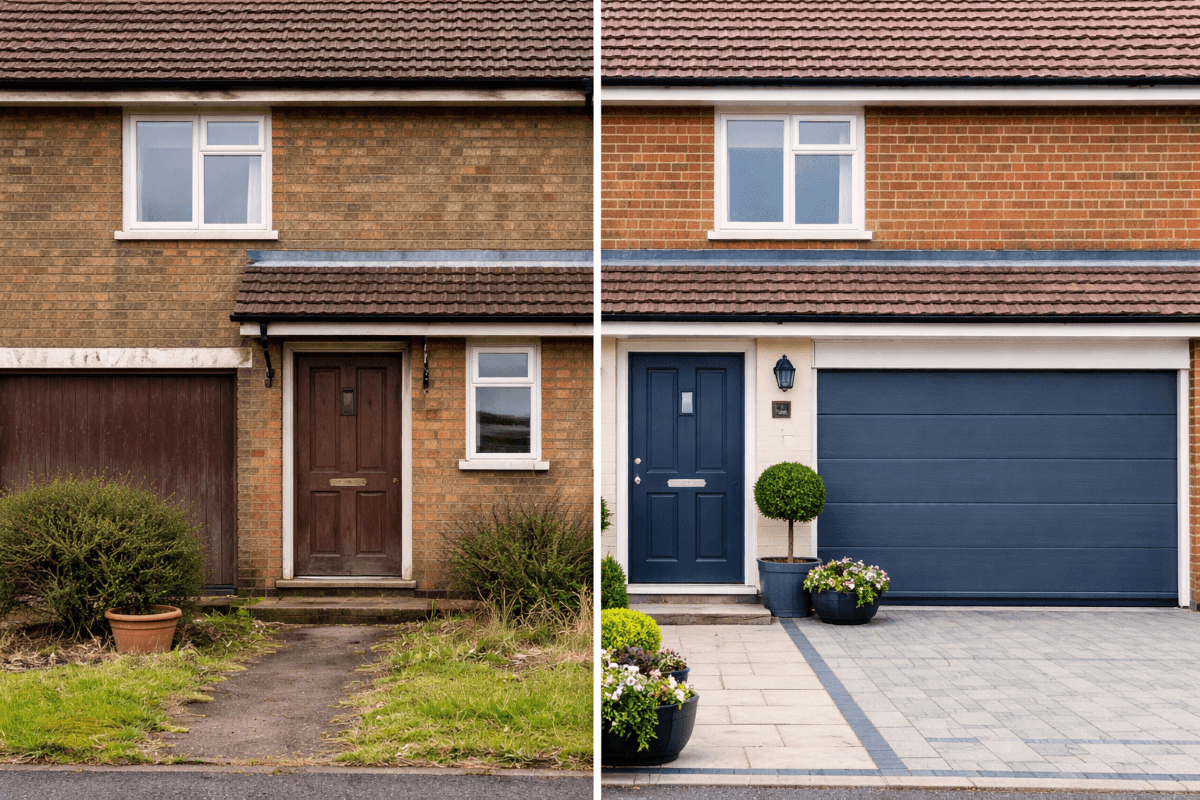
Replacing a plain or tired front door can completely change the way a home presents itself. A timber door with traditional panels can suit a period property or cottage-style home, while a high-quality composite door in a strong colour can bring personality to a newer house. There is a difference between uPVC and Composite more than price, and it’s good to research this. The detail matters as much as the door itself. A brass knocker, considered house numbers, a better letterbox, a heritage-style handle or carefully chosen glazing can all make the entrance feel more established.
If a full replacement is not needed, refreshing the existing door can still have a big impact. A new paint colour, updated ironmongery and a pair of planters can turn a functional entrance into a proper welcome. Deep green, navy, black, oxblood and soft sage all work well on British homes, though the best colour will depend on the brick, render, windows and surrounding planting.
There are also practical points to bear in mind. In the UK, replacing doors can fall under building regulations, and using an installer registered with a competent person scheme can mean the work is self-certified rather than handled through a separate building control application. Planning permission is a separate matter, and homes that are listed, in conservation areas, or subject to specific local restrictions may need extra checks before external changes are made.
Change the Lighting Before You Change the Room
A room can be beautifully decorated and still feel wrong if the lighting is poor. Overhead lights alone often make a space feel flat, particularly in the evening. Characterful homes usually have layers of light: some practical, some soft, some there simply to create atmosphere.
In a living room, a table lamp beside a chair can make the space feel more intimate. In a kitchen, under-cabinet lighting can make worktops feel warmer and more usable. In a hallway, a wall light or pendant can create a stronger first impression than a basic ceiling fitting. Picture lights, small accent lamps and floor lamps all help a home feel less stark.
The colour of the bulb matters too. Warm lighting is usually more flattering in living spaces and bedrooms, while cooler light can feel too clinical unless used carefully. If you are changing hardwired fittings, it is sensible to use a qualified electrician. But plenty of character can be added with plug-in lamps, rechargeable picture lights and better lampshades.
Bring in Pieces with Age
One reason new homes can feel impersonal is that everything in them looks as though it arrived at the same time. Older pieces interrupt that. They add patina, shape and a sense of history.
An antique mirror in a hallway, a vintage rug in a living room, an old wooden chest in a bedroom or a reclaimed shelf in a kitchen can stop a room feeling too showroom-perfect. These pieces do not need to be expensive or rare. Their value is often in the contrast they create against newer walls, floors and furniture.
The best approach is not to fill the house with antiques, but to use them as anchors. One characterful piece in a room can do more than several decorative accessories. A timeworn sideboard, for example, can make a simple dining room feel established. A vintage rug can soften a modern sofa. A wooden dresser can make a plain kitchen feel warmer and more personal.
When buying older furniture, look beyond appearance. Check the condition, scale and usefulness of the piece. Character should still work with daily life.
Add Texture So the Home Feels Less Flat
Character is not only visual. It is also tactile. A room with smooth walls, smooth floors, glossy furniture and plain fabrics can feel lifeless even if the colours are attractive. Texture gives the eye somewhere to rest.
Wood, linen, wool, rattan, ceramic, aged metal, stone and natural fibres all help create depth. A wool rug, linen curtains, wooden shelves or ceramic lamp base can make a room feel softer and more grounded. These materials do not have to match perfectly. In fact, a little contrast is usually better.
Wood is especially useful because it brings warmth into almost any room. In a modern home, wooden picture frames, a reclaimed bench, open shelves or a solid dining table can balance cleaner finishes. In bathrooms and kitchens, timber needs to be chosen carefully because of moisture, but even small wooden accents can make these spaces feel less clinical.
Add Architectural Detail Where the House Feels Too Plain
Some homes feel characterless because the surfaces are too simple. Plain ceilings, flat walls and basic skirting can make rooms feel boxy. Architectural detail helps break up those flat planes.
This does not have to mean anything grand. A ceiling rose above a pendant light can make a dining room or bedroom feel more finished. Wall panelling can bring depth to a hallway or living room. Picture rails, coving, built-in shelves or a simple fireplace surround can make a space feel as though it has been considered over time.
The secret is proportion. Oversized panelling in a small room can feel heavy. Decorative moulding that does not suit the age or style of the house can look forced. The best details feel as though they belong, even if they were added recently.
Let the Exterior Set the Tone
A home’s character begins before the front door opens. If the outside feels bare, the whole property can feel less welcoming. Small exterior changes often make a surprisingly big difference.
A painted gate, well-placed planters, a climbing rose, window boxes, a smart outdoor light or a tidy path can all soften the look of a home. These details help the property feel cared for rather than simply occupied.
Planting is particularly powerful because it changes with the seasons. Even a small front garden or narrow path can feel more charming with pots, evergreens and flowers near the entrance. The aim is not perfection. A little softness and life outside the home can make the whole property feel warmer.
Give the Garden Time to Mature
Gardens rarely feel characterful on the first day. They need time, growth and layers. If your garden feels bare, begin with structure rather than decoration. A few well-chosen shrubs, climbers, pots and small trees will do more than a collection of temporary accessories.
Lighting can help too, but it should be gentle. A garden path lit with warm, low-level lights feels more inviting than one washed with bright security lighting. Lanterns, wall lights and discreet solar lights can make the garden usable in the evening without making it feel harsh.
Over time, the garden will become one of the strongest sources of character in the home. Plants soften new fences, weather new materials and give the house a sense of being settled into its surroundings.
Make Space for Personal Things
A house does not become characterful just because it contains attractive things. It becomes characterful when it starts to reflect the people living there.
Books, artwork, family photographs, ceramics, travel finds, inherited objects and handmade pieces all help tell that story. The key is to display them with intention. A gallery wall, a shelf of favourite objects or a small table by the front door can feel personal without becoming cluttered.
This is where perfection matters less. A home with character does not look as though it was copied straight from a catalogue. It has a few surprises. It has objects with meaning. It has signs of life.
Build Character Slowly
The most interesting homes are rarely finished all at once. They develop gradually, as their owners learn how they use the space and what makes them feel comfortable there.
Start with the areas that affect daily life most: the entrance, hallway, living room and bedroom. A better front door, warmer lighting, a richer paint colour, a vintage mirror or a textured rug can change the feel of the whole house without major work.
Character is not about making a home look older than it is. It is about making it feel more layered, more welcoming and more personal. With the right details, even the plainest new home can begin to feel as though it has always belonged to you.