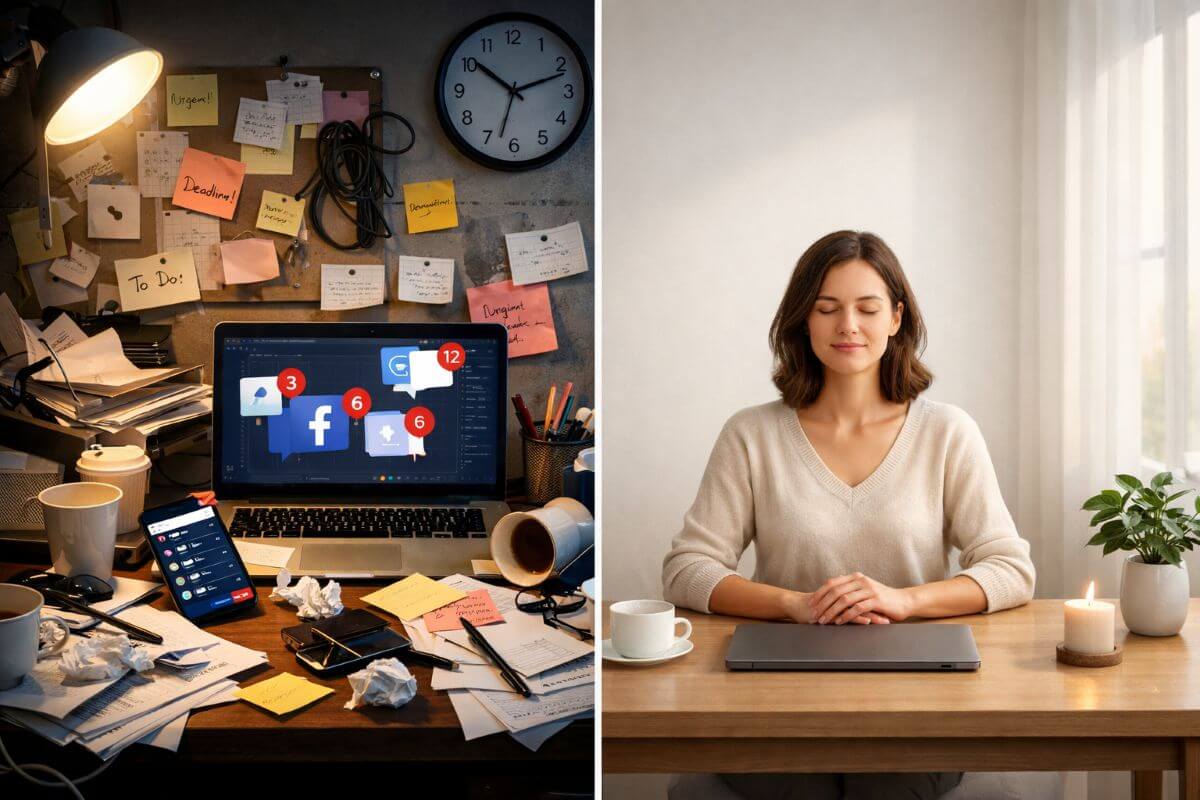
Mental load has quietly become one of the defining pressures of modern life. It is not just about being busy. It is the constant background processing
Mental load has quietly become one of the defining pressures of modern life. It is not just about being busy. It is the constant background processing of remembering tasks, anticipating needs, switching between roles, and staying mentally alert at all times. In a world shaped by notifications, blurred boundaries, and rising expectations, people are no longer waiting for burnout to take action. Instead, they are building everyday systems to stay balanced before overwhelm sets in.
Why Mental Load Has Become a Defining Issue of Modern Life
The invisible weight of everyday decision-making
Mental load is rarely dramatic, which is why it is so pervasive. It appears in small actions such as replying to messages, planning meals, tracking deadlines, and organizing schedules. Each decision may seem minor, but together they create a level of cognitive clutter that is difficult to switch off.
Unlike physical fatigue, mental load does not always signal when it is time to stop. It builds gradually and often leads to a constant state of low-level pressure rather than a clear moment of exhaustion.
From burnout language to everyday balance
There has been a shift in how people approach wellbeing. Instead of reacting to exhaustion, many now focus on maintaining balance every day. The conversation is moving away from recovery after burnout toward sustainable daily functioning.
This change has introduced a new category of tools and habits. These are not designed to transform lives overnight, but to support clarity, focus, and consistency over time.
The New Generation of Everyday Balance Tools
Digital boundaries and attention management
One of the first areas people are addressing is their relationship with technology. Reducing notifications, limiting app usage, and creating device-free moments have become common strategies.
These are not extreme detox approaches. They are practical adjustments that help reduce distraction and reclaim attention throughout the day.
Micro-rituals that create a sense of control
Instead of long routines, people are turning to micro-rituals. These are small, repeatable actions that provide structure. A short walk between meetings, a few minutes of journaling, or a clear end-of-day routine can create a sense of control.
These habits are effective because they are realistic. They fit naturally into daily life and are easier to maintain over time.
Products that support intentional routines
Alongside these habits, there is growing interest in products that complement intentional living. These products are not used as quick fixes. They are integrated into existing routines to support moments of pause, focus, or transition.
This reflects a broader shift in mindset. People are looking for tools that align with their lifestyle rather than disrupt it.
Why Consumers Are Looking for More Conscious Wellness Choices
Less intensity, more consistency
The appeal of extreme productivity methods is fading. In its place, a quieter approach is emerging. People are focusing on small, consistent actions that can be sustained over time.
This approach values balance and realism. It is not about doing more, but about doing things in a way that feels manageable.
Trust, clarity, and brand transparency now matter more
As the wellness space grows, consumers are becoming more selective. They are paying closer attention to how brands operate. Clear communication, consistent quality, and transparency are now key factors in decision-making.
Brands that align with these expectations are more likely to build long-term trust.
Mama Kana and the Rise of More Thoughtful CBD Choices
Within this evolving landscape, certain brands stand out by aligning with these expectations. Mama Kana is one of them, offering a clear and structured approach to CBD that resonates with modern consumers.
The brand places strong emphasis on consistency and product quality. From sourcing to final selection, there is a clear intention to maintain standards that feel reliable and controlled. This level of attention is particularly relevant in a market where differentiation is not always obvious, especially with products like Mama Kana Hash CBD becoming part of more intentional daily routines.
Mama Kana also stands out through its communication. Instead of relying on exaggerated claims, it focuses on clarity and accessibility. This helps consumers better understand what they are choosing and how it fits into their routines.
Another important aspect of the brand is its positioning around responsible consumption. Rather than encouraging impulsive use, Mama Kana promotes a more thoughtful integration of CBD into daily life, whether through simple formats or more traditional options like Mama Kana Hash CBD. This aligns with the broader movement toward conscious wellness, where individuals seek tools that support balance without adding complexity.
By combining accessibility with a clear commitment to quality, Mama Kana contributes to a more mature perception of CBD. It reflects a shift in the market toward brands that prioritize trust, simplicity, and long-term relevance.
Everyday Balance Is Becoming a Cultural Priority
Rest is no longer a reward
One of the most significant cultural changes is the way rest is perceived. It is no longer something that comes after productivity. It is becoming a necessary part of maintaining it.
This shift changes how people structure their days. Balance is no longer a distant goal but a daily requirement.
The rise of personalized wellbeing ecosystems
There is no single method for managing mental load. People are building their own systems based on their needs, combining habits, tools, and environments that support them.
This personalization makes routines more sustainable. It allows individuals to create balance in a way that feels relevant to their lives.
What This Shift Says About the Future of Wellness
People are choosing tools that fit real life
The most effective solutions are often the simplest. Tools that integrate easily into daily routines are more likely to be used consistently.
Balance is becoming a design principle for daily living
Mental load is reshaping how people think about wellbeing. It is no longer separate from everyday life. It is built into routines, habits, and choices.
As this shift continues, the focus will remain on creating systems that support clarity and reduce friction. The goal is not to eliminate pressure entirely, but to navigate it in a more sustainable way.