
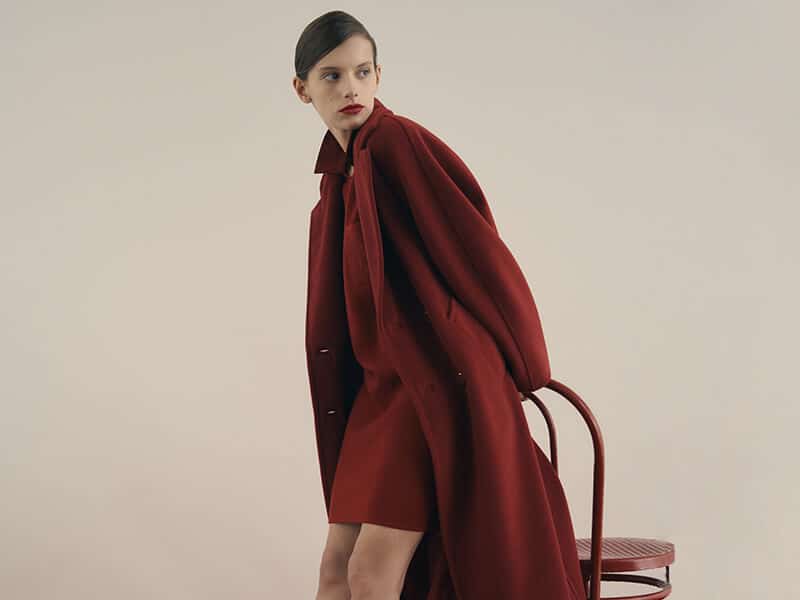
When the temperature drops, style becomes a matter of clarity. Winter asks for decisions that feel grounded, not rushed: pieces that hold the look tog
When the temperature drops, style becomes a matter of clarity. Winter asks for decisions that feel grounded, not rushed: pieces that hold the look together even when the rest of the outfit is layered, hidden or constantly adapting to the day.
A wool coat answers that need with an immediacy few garments can match. It frames the silhouette, sets the mood and gives direction to everything worn underneath. In a season defined by heavy textures and shifting proportions, a well-made wool coat acts as the anchor – steady, composed and reassuring.
Winter dressing begins outside
During the colder months, the first impression of any outfit is shaped by what’s visible outdoors. Scarves, knits and shirts may contribute to the overall look, but it is the coat that establishes structure from the start.
A wool coat does this with a kind of simplicity that feels intentional. It gives height or balance depending on its length, creates a clean line in motion and brings a sense of order that remains even once the layers beneath are revealed. It doesn’t overwhelm the outfit; it frames it with quiet discipline.
The grounding effect of wool
Wool has a particular way of behaving on the body. It has weight, but not heaviness, density, but not stiffness. That balance allows the fabric to support the form of the coat while staying responsive to movement.
The result is a garment that steadies the silhouette without feeling rigid. This grounding effect is what makes a wool coat feel so dependable on cold days. It doesn’t collapse, it doesn’t cling, and it doesn’t lose its presence. It holds shape with ease, giving every winter outfit a sense of stability.
Clean shapes, steady lines
The design of a wool coat brings a subtle geometry to seasonal dressing. Shoulder line, length and front structure all contribute to a silhouette that remains clear even when layered with heavier pieces. Longer coats introduce verticality, shortening the visual weight of boots and thicker trousers.
Mid-length cuts emphasise balance and proportion, especially when paired with softer knits. Even the details – a slightly raised collar, a defined shoulder, a single-breasted front – influence how the overall look comes together. Nothing feels decorative; everything plays a part in maintaining clarity.
Colour that sharpens or softens the season
Winter light changes the way colours are perceived, and the wool coat reacts to it with nuance. Deep charcoal, forest green and navy create definition without harshness: they anchor the palette of cold-weather dressing and calm the contrasts between different textures.
Lighter tones – camel, grey, beige – offer another approach, bringing brightness to shorter days without sacrificing warmth. This season, refined neutrals remain the most expressive choices: they sharpen or soften the look without overpowering it, giving the coat quiet authority.
Layering with intention
A wool coat works best when the layers beneath echo its direction. Lightweight knits, smooth shirts, fine rib textures and subtle tonal shifts all contribute to a sense of coherence. Building the outfit around the coat doesn’t restrict options: it creates a centre point that keeps everything focused.
Once the outer structure is set, the rest becomes easier to edit. A coat with clean lines invites balance – not excess – allowing each layer to support, rather than compete with the silhouette.
A winter constant
Every cold season brings new ideas, but the place of the wool coat rarely changes. Its appeal is not tied to trends or nostalgic references. It stays because it provides something essential: clarity. In months when dressing can easily become complicated, a wool coat simplifies the decision-making process and restores a sense of intention. It’s the garment that holds the look steady when everything else is shifting – a true anchor for winter.
Elegance reinterpreted: the Max Mara signature of subtle luxury
In every era, the idea of elegance shifts, reshaped by culture, lifestyle and the needs of the women who define it. Yet some interpretations endure – not because they resist change, but because they remain open to it.
Max Mara has long embraced this principle, refining its aesthetic without ever abandoning the clarity and discipline that form its foundation. The brand’s notion of luxury is subtle, intentional and rooted in design that feels relevant across seasons and generations.
This understanding aligns with the expectations of today’s women, who seek a wardrobe that supports their pace and reflects their identity with authenticity. They value pieces that are neither performative nor decorative, but thoughtfully crafted to accompany real life with ease.
Their choices are guided by proportion, function and quiet confidence – qualities that Max Mara weaves into every collection. For these women, elegance is not an act of display, but a form of coherence: a way of presenting oneself with intention.
Max Mara’s approach to outerwear exemplifies this understated vision of luxury. Coats are treated not as accessories, but as the architectural core of a wardrobe. Each silhouette is engineered to balance presence and practicality, offering movement without compromise and refinement without rigidity.
Among these forms, the wool coat stands out as a defining expression of the maison’s sensibility. Its clean contours, tactile warmth and controlled volumes create a harmony that feels both timeless and distinctly modern. Versatile enough to transition across settings and seasons, it embodies the quiet sophistication that has become synonymous with Max Mara.
Through this measured reinterpretation of elegance, the brand continues to shape a style that evolves with the women who wear it. Each piece is designed to endure, not only in quality but in relevance, offering a lasting expression of subtle luxury.
What to look for in a wool coat
- Fabric composition: Look for a high wool percentage. Blends can add durability or softness, but avoid fabrics that feel thin or overly synthetic.
- Fabric weight and weave: Heavier and tightly woven fabrics generally block wind better and hold shape longer.
- Lining quality: A smooth lining improves comfort over knits and helps the coat sit cleanly when layered.
- Shoulder structure: The shoulder line sets the silhouette. Check it sits neatly without pulling or collapsing.
- Fit with layers: Try it on over a knit you would actually wear. You should move easily without the coat feeling tight across the back.
- Length for your lifestyle: Longer coats add warmth and verticality. Mid-length often suits commuting and everyday wear.
- Closure and warmth: Double-breasted fronts and higher necklines can reduce wind ingress. Check buttons feel secure and well stitched.
- Collar and lapels: A collar you can turn up comfortably is useful on cold, windy days.
- Pockets: Pockets should be functional, not decorative. Consider depth and placement for phone and gloves.
- Movement details: Back vents can improve stride and comfort, especially on longer coats.
- Colour strategy: Choose a colour that works with your most-worn shoes and bags. Neutrals are easiest for repeat wear.
- Care and maintenance: Check the label. If it requires frequent specialist care, be realistic about upkeep.
Wool coat FAQ
Is wool warm enough in wet cold?
Wool can stay insulating in damp conditions, but no wool coat is fully waterproof on its own. In a UK winter, the most comfortable approach is a tightly woven wool coat paired with an umbrella and layers underneath. If you expect persistent rain, consider adding a water-resistant outer layer or choosing a coat designed for wet weather.
How do I store a wool coat properly?
Use a wide, supportive hanger to preserve the shoulders, and store it with space around it so the fabric can breathe. Before putting it away for the season, brush off surface dust, air it out, and make sure it is fully dry. Use moth prevention responsibly and avoid storing wool in damp places.
How often should I dry clean a wool coat?
Less often than most people think. Frequent dry cleaning can be harsh on fibres, so use it when the coat is visibly dirty, stained, or has persistent odour that airing will not remove. Between cleans, brush, air, and steam lightly to refresh the fabric.
What is the best way to keep a wool coat looking sharp between wears?
Brush it after use, especially around cuffs and pockets, and let it rest between wears so the fibres recover. A handheld steamer can lift creases and refresh the surface without heavy cleaning.
How do I handle bobbling or pilling?
Some pilling is normal, especially where friction occurs. A fabric comb or de-bobbler used gently will restore a clean finish. If pilling becomes heavy quickly, it can be a sign of a softer blend or looser weave.
