A high-quality watch can be an amazing investment. It can provide you with a practical means of telling the time at any given moment, a reliable store
A high-quality watch can be an amazing investment. It can provide you with a practical means of telling the time at any given moment, a reliable store of value, and a beautiful accessory that can elevate your outfit.
If you’re lured into buying a fake watch, however, then you’ll lose out on at least one of these benefits, since the value of the watch to you, and those on to whom you might pass it, will be close to zero. Thus, if you’re in the market for a new watch, you’ll want to learn a few of the warning signs that might indicate a forgery.
Research and Brand Knowledge
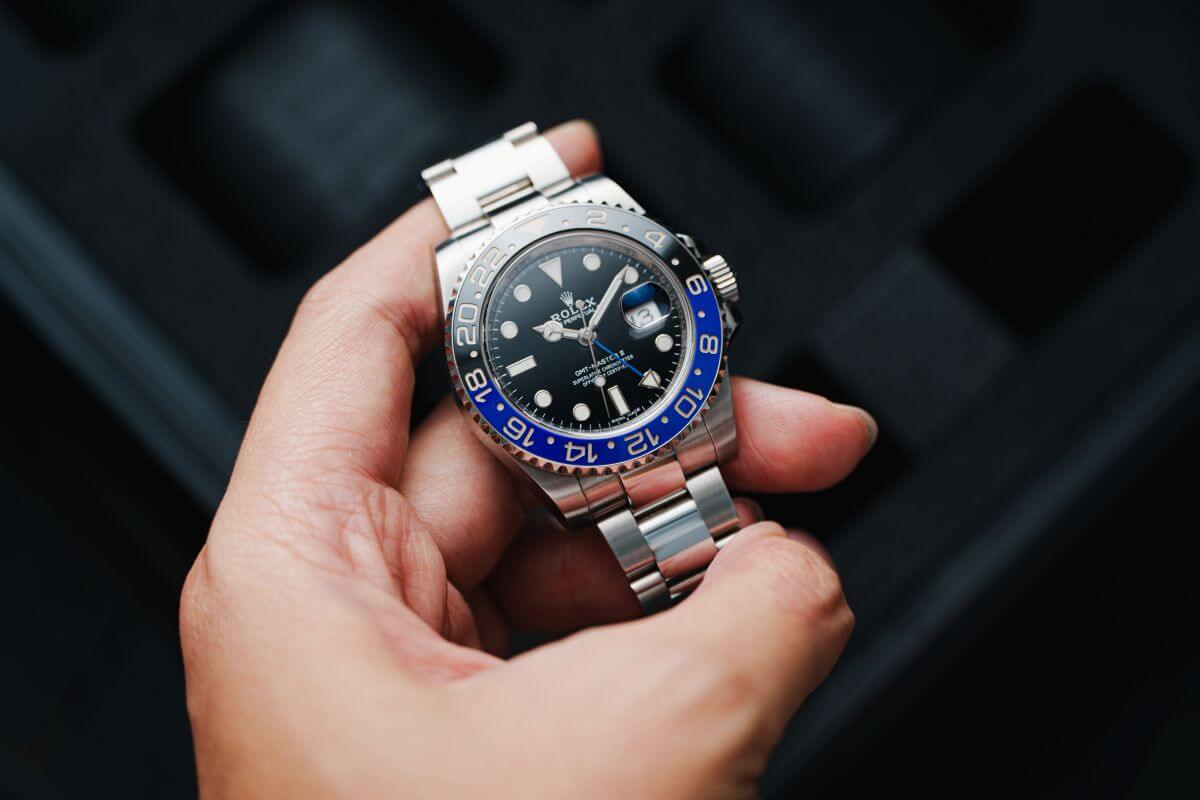
The first thing to remember is that you need to know your product. Make sure that you’re aware of all of the features that define a particular brand, so that you know exactly what you’re looking for. A Rolex watch will have the distinctive ‘Oyster’ case, while an Omega might (sometimes) make use of a proprietary form of rose gold known as Sedna.
- Learn the exact reference number for the model you want and compare photos/specs from the brand site or trusted catalogues.
- Check that the dial, hands, bezel, bracelet and clasp are correct for that reference and production year.
- Where possible, verify the serial/reference with an authorised dealer or watchmaker.
Price Reality
If you want to avoid being conned, then it’s a good idea to exercise a little bit of common sense. Luxury watches are high-value items; if they’re being offered for a low price, it’s wise to be cautious. Knowing exactly the sort of price range you’re shopping in, and how much a given watch is worth, can be helpful. As a general rule, you’ll want to walk away whenever a deal seems too good to be true.
Quality of Materials and Craftsmanship
A close inspection of a watch can reveal imperfections that might elude you, at first glance. Look for the small details and flourishes that indicate quality, and test the weight of the watch in your hand. Generally speaking, if you see any obvious flaws or imperfections, it’s a good bet that the watch is fake.
Examine the Movement
Myth vs Fact (at a glance)
Myth: “If the seconds hand ticks once per second it’s quartz; if it sweeps smoothly it’s mechanical.”
Fact: Many mechanical movements beat several times per second (appearing smooth), and some quartz movements also sweep. Seconds-hand behaviour is one clue, not proof.
- If a watch marketed as mechanical clearly houses a basic quartz module, that’s a red flag—but confirm with other checks below.
- Where possible, have a watchmaker open the caseback to confirm the movement calibre matches the reference.
12-Point Quick Inspection Checklist
Use these fast checks before you commit. One fail is suspicious; several fails are a walk-away.
- Weight & feel: should feel solid; no tinny rattle from bracelet or clasp.
- Case finishing: clean transitions between brushed/polished surfaces; sharp edges where appropriate.
- Dial print & alignment: crisp fonts, centred indices, even lume plots, correctly framed date window.
- Hands & motion: consistent seconds motion; hands aligned to indices; no stutter or misalignment.
- Crystal & magnification: sapphire clarity; on models with a cyclops (e.g., many Rolex), magnification and placement must be exact.
- Rehaut/engraving: sharp, evenly spaced engravings; no spelling errors; correct depth.
- Bracelet/clasp tolerances: tight end-links; clean clasp codes/finishing; no play.
- Caseback & hallmarks: correct markings; precious-metal hallmarks where applicable.
- Serial & reference match: numbers align with paperwork and the movement; reference matches the dial/bracelet variant.
- Lume test: even brightness and colour after charge; rough paint or patchy glow suggests poor quality.
- Documentation: box/papers, service history; dates and dealer stamps that make sense.
- Professional confirmation: pressure test (for divers), timekeeping on a timing machine, and movement verification by a qualified watchmaker.
Purchase from Trustworthy Dealers
One simple way to reduce your risk of being conned is to narrow the range of sellers you’re willing to consider. While you might pay a slight premium when you go to a reputable seller or marketplace, you’ll get additional security, and the ability to go back for a refund if something goes wrong. Avoid online marketplaces that lack verification, but don’t allow a seemingly reputable vendor to act as a substitute for the other measures we’ve considered.
- Verify the seller via the brand’s authorised-dealer locator; check Companies House details and independent reviews.
- Use protected payment (credit card Section 75 or reputable escrow); avoid wire/cash to unknowns.
- Run the serial through a stolen-watch registry before buying; keep a record of the seller, serial and photos.
- Know the law: selling/importing counterfeits can breach the Trade Marks Act 1994. If you suspect fraud, contact Trading Standards or Action Fraud.
FAQs
Is “box and papers” enough?
No. Papers can be forged. Always cross-check serial/reference, inspect the watch, and seek expert confirmation.
How do I verify a seller?
Use the brand’s AD locator, confirm business details, and look for long-standing trade references. Be wary of stock photos, no returns policy, or pressure to pay fast.
Can a genuine watch have replaced parts?
Yes—service parts are common. Ensure replacements are brand-correct and disclosed, as they can affect value.
What if I discover a fake after buying?
Use your rights under the Consumer Rights Act 2015 (misrepresentation/faulty goods), pursue a card chargeback/Section 75 claim, and report to Trading Standards/Action Fraud.
Bottom line: treat movement behaviour as a clue, not a verdict; verify the reference against authentic specs; and combine the 12-point checklist with reputable sellers and protected payments. That’s how you keep your money, and your wrist, safe.