
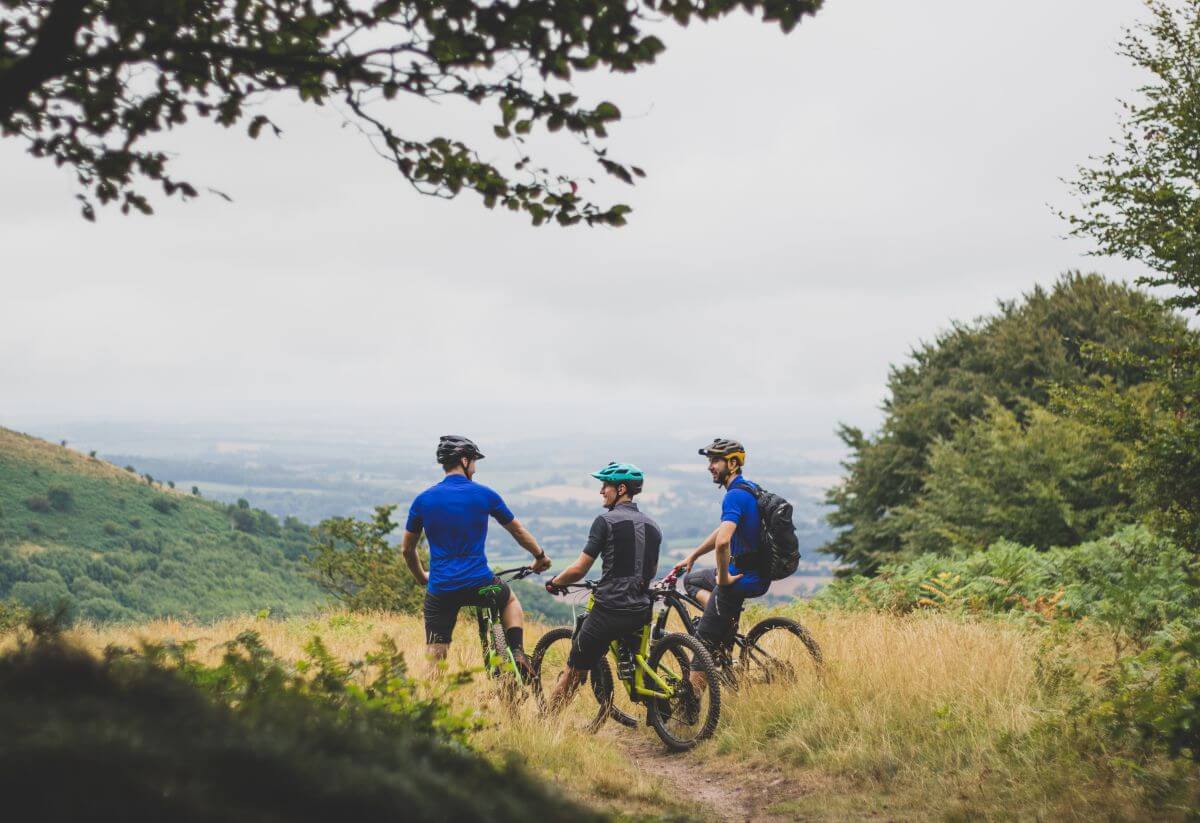
Cycling through the British countryside offers a way to experience familiar places differently. Away from city streets, riders find an ever-changing m
Cycling through the British countryside offers a way to experience familiar places differently. Away from city streets, riders find an ever-changing mix of bridleways, quiet lanes and forest paths that reveal a side of the landscape often missed by those travelling by car. The slower pace encourages exploration, while the range of terrain keeps every ride fresh and rewarding. With many routes across the country, riders can always discover new paths to challenge themselves or enjoy outdoor time.
Why Gravel Bikes Are Ideal for Exploration
Gravel bikes have transformed the way cyclists approach countryside riding. Designed for versatility, they move comfortably from tarmac to rugged tracks, making them suitable for long days in the saddle without switching equipment. Wider tyres add grip on loose surfaces, while balanced geometry ensures stability on uneven ground. Many of the best gravel bikes for adventure riding also provide mounting points for bags and accessories, which makes them perfect for self-supported journeys across rural areas.
A carbon gravel bike brings added benefits. Its lightweight frame reduces fatigue on climbs and long rides, while its natural vibration-dampening qualities improve comfort on rough ground. Riders who want to travel further and faster without compromising on stability often choose carbon for its blend of efficiency and resilience. With thoughtful design, these bikes open up terrain that would feel inaccessible on a traditional road bike.
Carbon vs Aluminium Frames for Countryside Adventures
Frame material makes a big difference in how a bike feels and performs. Carbon frames are lighter and absorb vibrations more effectively, giving a smoother experience over long distances. This is particularly noticeable when riding across gravel paths, forest tracks and farm trails, where constant vibration can tire the arms and lower back. A carbon gravel bike is a strong choice for riders who value comfort and performance on climbs.
Aluminium frames appeal to those who prefer durability and value. They withstand the knocks and weather of countryside riding while remaining affordable. Although slightly heavier, modern aluminium designs provide a comfortable ride and excellent handling. The choice between carbon and aluminium depends on riding style, budget and how often riders expect to be out on remote terrain.
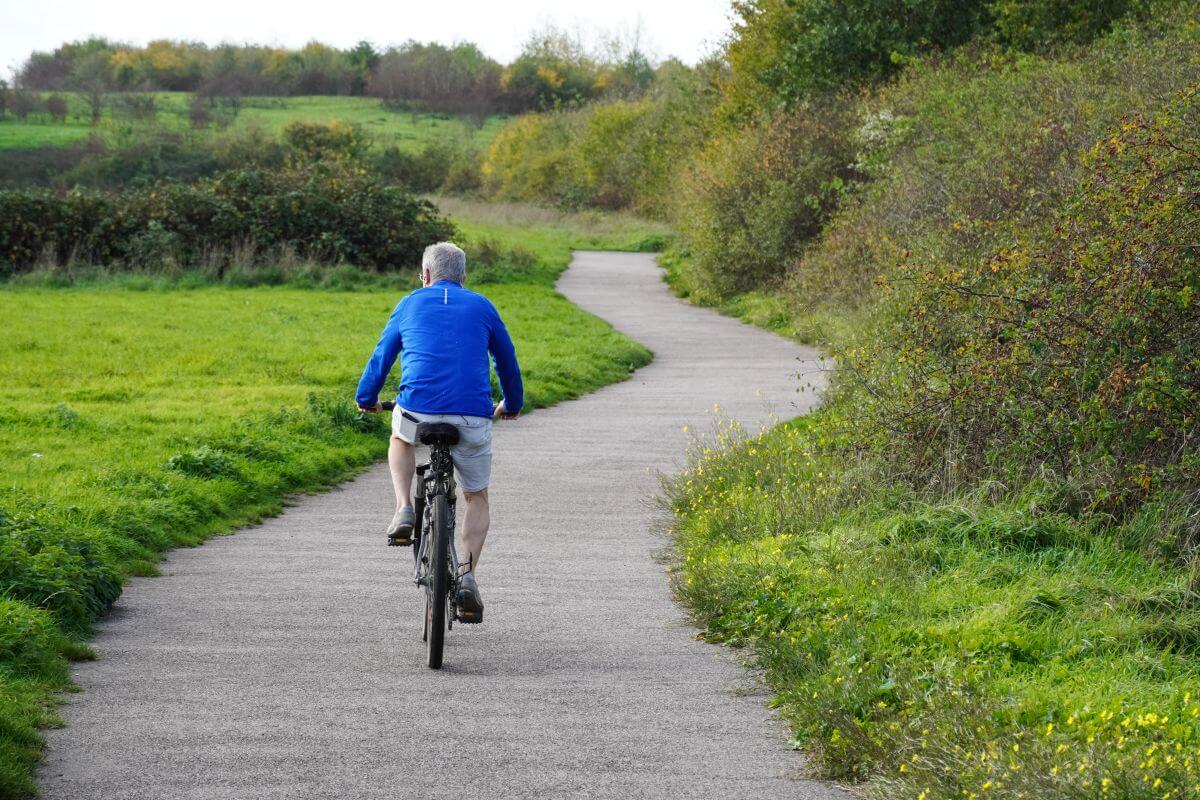
Not all paths are smooth
Key Features for Discovering Remote Trails
The right features can make countryside cycling safer and more enjoyable. Tyre width is particularly important. Wider tyres between 40 and 47mm balance grip, comfort and rolling efficiency. Riders can run them at lower pressures, smoothing out bumps and holding traction on loose corners. Tubeless setups add further reliability by reducing the risk of punctures.
Gearing also matters. Single-chainring drivetrains simplify shifting and reduce maintenance, while double setups offer a broader range for those tackling steep climbs. Mounting points for bottles, bags and racks are essential for riders planning longer journeys. Some gravel bikes include these fittings as standard, allowing cyclists to easily carry food, water and tools.
Navigation equipment has advanced quickly in recent years. GPS devices now provide reliable route guidance and mapping, which is especially valuable when venturing into unfamiliar countryside.
Why Gravel Bikes Have Changed Off-Road Cycling
Gravel bikes bridge the gap between road and mountain models. They combine the efficiency and speed of road bikes with the resilience and grip needed for rough tracks. The result is a machine that feels equally at home on lanes, forest paths and long-distance trails. For countryside riding, this balance makes them an unmatched choice.
Features like disc brakes add safety and control, giving consistent stopping power on steep descents or wet surfaces. Wider tyres allow for more comfort on grassy, stony and uneven paths. The slightly raised handlebar position suits longer days in the saddle, keeping riders comfortable without sacrificing control. With these elements working together, a gravel bike allows riders to travel further into remote areas confidently.
Top Countryside Routes Across Britain
Britain’s countryside is rich with routes that highlight the versatility of gravel cycling.
- South Downs Way: Running from Winchester to Eastbourne, this iconic route includes chalky ridges and rolling hills. Offshoot trails and connecting paths allow riders of different abilities to create custom rides.
- Yorkshire Dales: Farm tracks and bridleways connect villages, providing a mix of limestone surfaces and stunning views. The area around Settle and Malham is rewarding for gravel riders.
- Scottish Highlands: Rugged Cairngorm routes offer dramatic scenery and challenging terrain, while gentler options such as the Great Glen Way follow lochs and glens with more gradual climbs.
- Welsh Borders: The Gospel Pass near Hay-on-Wye is a favourite among riders. It combines history and natural beauty with a challenging ascent and exhilarating descent.
These examples show the variety available, from gentle exploration to demanding adventures. A gravel bike ensures that riders can handle the shifts in terrain each route presents.
Planning Your Countryside Adventure
Preparation is key to a successful countryside ride. Beginners should start with shorter routes that offer clear exit points, gradually building confidence before tackling more remote trails. Checking maps in advance helps avoid surprises, while apps such as Komoot and Strava allow riders to see the experiences of others.
Carrying the right equipment prevents small issues from cutting a ride short. A multi-tool, spare inner tube, tyre levers and pump are basic essentials. Riders planning longer journeys should also carry food, water and a lightweight jacket for sudden weather changes. With these precautions, countryside cycling becomes both safe and enjoyable.
