
Medical cannabis has been legal on prescription in the UK since 2018, Across the country some 75,000 patients now have prescriptions for cannabis flow
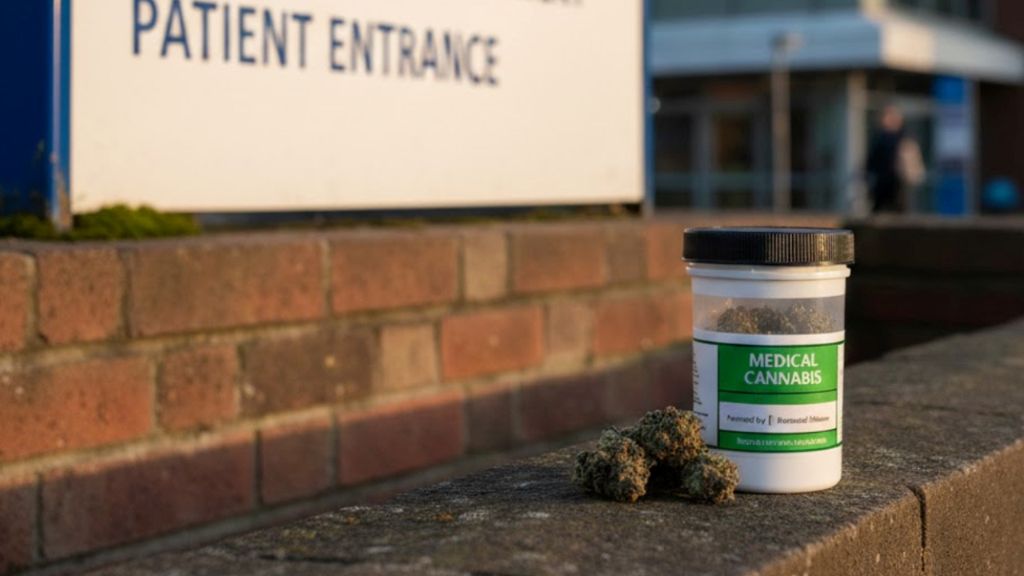
Medical cannabis has been legal on prescription in the UK since 2018, Across the country some 75,000 patients now have prescriptions for cannabis flower or derived medications, treating a variety of conditions. But the vast majority (more than 99%) come from licensed and paid for private clinics. Only a very small number of patients, less than a dozen, have received cannabis-derived pharmaceuticals from the National Health Service. Why is this? And, will, or should, it change any time soon?
This article will assess the current situation and outline the rules, and then look at the arguments both for and against increasing access to medical cannabis through the national free at point of service healthcare provider. Then it will assess those arguments against each other and look at what the NHS, the government, people and other stakeholders think, to see if there’s any possibility for change on the horizon.
The Current State of Play – Private Clinics the Only Real Option
The UK legalised medical cannabis in 2018, with the government recognising its medical potential in law and allowing doctors to prescribe it. However, the The National Institute for Health and Care Excellence, which regulates which medicines are prescribed by the NHS in England – and is influential in Wales and Scotland – has yet to put cannabis on its list.
At the moment a private medical cannabinoids dispensary is the only choice for most patients. A great clinic will ensure the patient journey is excellent, in order to justify the time and cost of going private. They will deal with everything from consultation and treatment plan to prescription, delivery and follow up care, all in one platform and in an efficient time frame.
Of course, the country, in general, loves the NHS. But, there’s no denying that, right now, it can be slow and unwieldy. Private cannabis clinics may not be free, but they get things rolling quickly and efficiently with this potentially life changing medicine.
In one recent large UK study from 2025, 95% of new medical cannabis patients with chronic pain reported an improved quality of life three months after starting treatment. Which, in context of most pharmaceuticals and as a health outcome, is an incredible result.
The Arguments Against Increasing Access Right Now
On the other hand, despite positive patient-reported outcomes, NICE argues there is not enough large-scale clinical trial evidence for it to recommend medical cannabis on the NHS. And this, is the crux of the argument.
NICE, and a decent percentage of NHS doctors, want more large scale, clinical, randomised control trials before they feel comfortable prescribing it at scale. As THC is psychoactive, and cannabis is a widely known substance with thousands of years of history of human use, opponents of wider access argue that randomised trials with placebos and blinds are important to get objective data.
There have also been very few, if any, comprehensive studies, on the cost effectiveness compared to other medications such as opioids, for example. The NHS requires several of these before it will prescribe anything, and NICE has yet to commission one for medical cannabis.
There is also some scientific uncertainty about long-term medical cannabis treatment, spanning years for example. Although many people around the world have used cannabis recreationally for decades or longer, this is not the same as a clinically planned treatment. Opponents argue that at least a few long-term, large studies are needed before it can be certified for the NHS, as healthcare mistakes can be costly.
The Arguments for NHS Cannabis Prescriptions
There are two main arguments supporting increased medical cannabis access in the UK, up and to including direct prescription from NHS GPs. The first is from a patient and health perspective. The second is economic. However, the two can actually be considered together for a stronger argument.
There is, despite a lack of large scale clinical trials, a growing pile of evidence from patient-reported studies that medical cannabis is effective at dealing with chronic pain. Other research from the UK and around the world shows that medical cannabis treatment can help people cut down or even cease using potentially harmful long term opioid medications.
Despite this evidence and the legality of private clinics, there are some barriers to access. Many patients find starting the whole process a little confusing. And, although it isn’t hugely costly, for some it is prohibitively expensive. Even the sheer number of private clinics can lead to questions like “is cb1 medical good?” or “what is the most cost effective clinic?” There are excellent comparison and review sites available that can help answer these questions with a mix of expert opinions and patient testimony.
However, the process is always going to be a bit more complicated than getting a prescription from a local GP. Most major voices in the sector – including the Medical Cannabis Clinicians Society – agree that the NHS should prescribe medical cannabis more widely. Or at least streamline the process and work with private clinics on expanding access.
Increasing access, the argument goes, could save the NHS hundreds of millions that it currently spends on prescription opiates. There are millions of people currently out of work in the UK right now because of chronic pain. If even 2% of them improved enough with medical cannabis treatment to get back to meaningful work the economic benefit could be huge. Into the billions of pounds according to the Centre of Economics and Business Research.
