

Automotive safety has come a long way since the early days of motoring. From hand-cranked wiper blades to AI-powered collision avoidance systems, the
Automotive safety has come a long way since the early days of motoring. From hand-cranked wiper blades to AI-powered collision avoidance systems, the progression of safety features has dramatically reduced road fatalities and injuries. Each technological breakthrough has brought us closer to safer roads, fewer injuries, and a better understanding of the crucial role that safety features play in saving lives.
However, despite these advancements, accidents still happen, highlighting the importance of legal protection when things go wrong.
Early Innovations in Vehicle Safety
The first ever automobiles came with very few safety features, meaning that even small, minor collisions could be potentially very dangerous. In the early 20th century, car designs began to mature, and rudimentary safety features began appearing, including hand-operated windscreen wipers, padded dashboards, and rear-view mirrors to help drivers gain better visibility and control. These modest improvements paved the way for a greater focus on occupant protection.
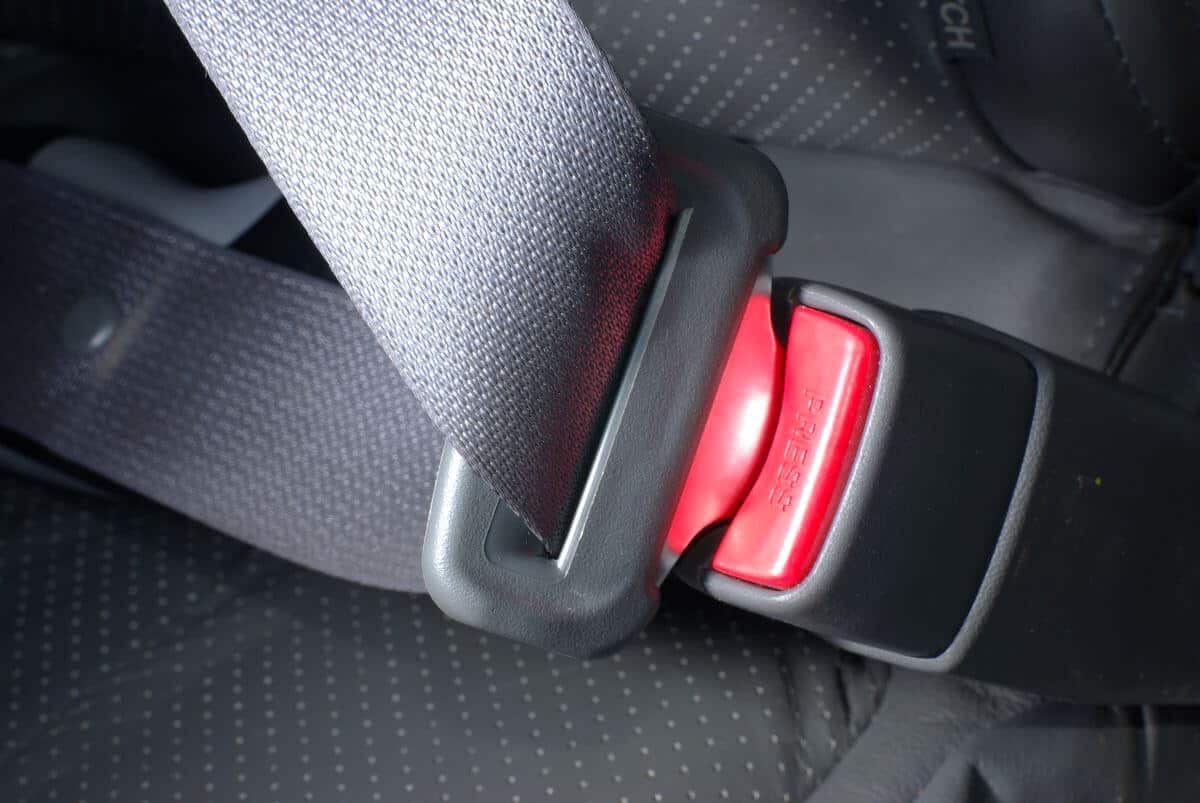
The Introduction of Seatbelts and Airbags
One of the most significant milestones in car safety came with the introduction of seatbelts, which were introduced in the 1950s. Shortly after, in the 1970s, airbags were also introduced, marking a turning point in vehicle safety. By the 1980s, seatbelt use became mandatory in many countries.
These features significantly reduced fatalities in collisions, cushioning passengers from impact. Today, they form the backbone of passive safety systems in all vehicles.
Advancements in Crash Testing and Safety Standards
As the importance of safety grew, so did the sophistication of testing. Crash testing, using dummies, and computer simulations became essential tools in assessing how cars respond to impact. Manufacturers now design vehicles to absorb impact and protect passengers more effectively.
Regulatory bodies introduced strict safety standards, ensuring that all new vehicles met baseline safety performance before reaching the market.
Modern Driver Assistance Systems
Today’s vehicles are equipped with an array of Advanced Driver Assistance Systems (ADAS). It includes features like lane departure warnings, automatic emergency braking, adaptive cruise control, and blind spot monitoring – with some vehicles even capable or partial automation. These systems help reduce the risk of human error and have shown strong results in lowering accident rates.
The Role of Legal Support When Safety Measures Fail
Despite these innovations, accidents still occur, sometimes due to malfunctioning systems or overlooked defects. In such cases, consulting a car accident lawyer can be critical. These legal experts can help you navigate claims, understand your rights, and pursue compensation if you’ve been injured due to a fault in vehicle safety systems or another party’s negligence.
Future Trends in Automotive Safety
Looking ahead, innovations like autonomous driving and connected car technology promise to redefine safety on the roads. Vehicles that can communicate with each other and the infrastructure around them can significantly reduce the likelihood of accidents. However, these technologies will require ongoing oversight and accountability to ensure they serve their purpose effectively.
