
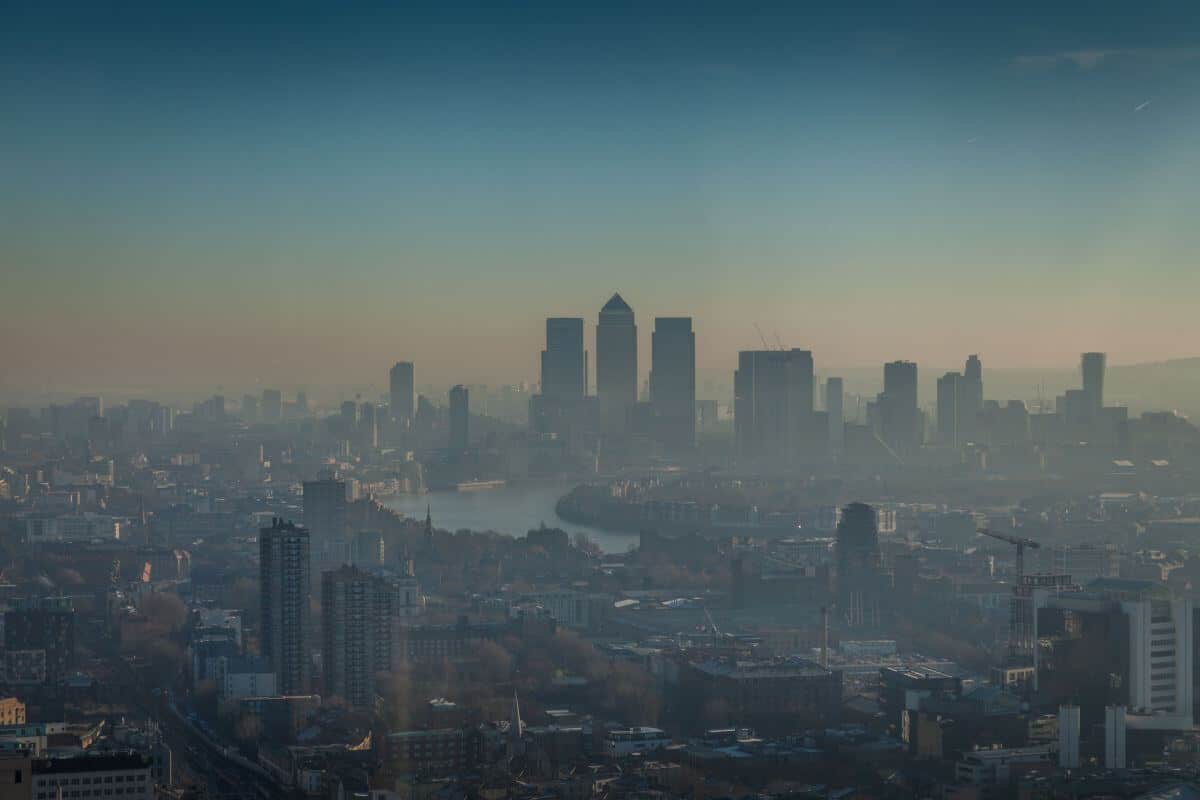
The pollutants we release into the air don't just stick to our cities, they spread and affect forests, rivers, oceans and all kinds of wildlife. These
The pollutants we release into the air don’t just stick to our cities, they spread and affect forests, rivers, oceans and all kinds of wildlife. These changes might be happening right under your nose, even if you don’t always see them.
Toxic effects on plants
Many plants rely on clean air for photosynthesis, but pollutants like nitrogen oxides and sulphur dioxide can interfere with this process. This weakens them and makes them more vulnerable to things like disease, drought and other stresses. Herbivores that eat these plants find themselves with fewer resources, which, in turn, impacts the predators that rely on them.
pollinators are the bees knees
Insects and aquatics
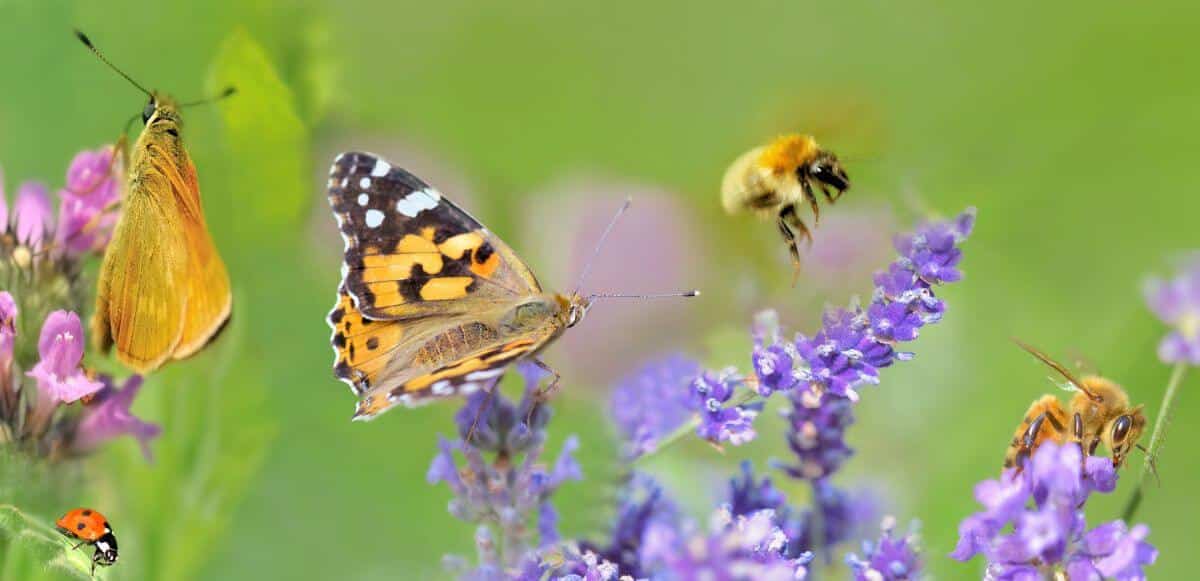
Pollutants like ozone can damage insect populations, which is a real problem because insects are key players in many ecosystems. Pollinators like butterflies and bees are crucial for plant reproduction. Without them, plants can’t produce fruit and seeds as easily, causing a domino effect throughout the ecosystem. This leads to fewer plants for herbivores to eat and fewer animals for predators to hunt.
Water systems are also affected. When pollutants like nitrogen get into rivers and lakes, it can lead to harmful algal blooms that deplete the oxygen in the water, making it harder for fish and other aquatic animals to survive.
Wildlife behaviour and reproduction
Animals exposed to polluted air can suffer from breathing problems, making it harder for them to migrate or find food. Birds, which rely on sharp senses to navigate and forage, can struggle to do so in polluted environments. Some species even change their migration routes or get confused because of the poor air quality.
Many animals rely on certain environmental cues to know when to breed, such as food availability and temperature. But when pollution messes with those cues, it disrupts reproduction. Birds may arrive late to their breeding sites or have trouble finding the right spots to nest. Similarly, marine animals like sea turtles can struggle to find clean nesting sites, especially if pollution is present on beaches.
Urban adaptations
In cities, some animals and birds have started adapting to urban environments, but it’s not always easy for them. Urban areas are often more polluted, so animals end up living closer to humans and other hazards. These animals might be more likely to encounter dangers like traffic or pollution, which can affect their health and survival.
Restoring ecosystems
Regular monitoring of air quality is essential to understanding how pollution affects wildlife. By tracking pollution levels, we can spot problems early and take action to protect wildlife and plants.
Air pollution solutions can help reduce emissions from industrial sites and factories, while adding more green spaces in cities, like parks or green roofs can help filter the air and provide much-needed habitats for wildlife.
It takes effort from everyone to protect the environment, but the benefits are clear. Clean air means healthier ecosystems, and healthier ecosystems mean a more sustainable future for all living things.
